August 1st

On 1st August 1506, William Ryplay, labourer, of Leconfield, claimed sanctuary at the church of St John, Beverley, for debt.

On 1st August 1639, Robert Skelton, 32, of Hull, was hanged at York Castle for forging a will belonging to Thomas Bell of Hull.

On 1st August 1648, Hull Recorder Francis Thorpe wrote to the Mayor concerning the shipment of pistols to the town, and about the case of Bacchus, a delinquent (i.e. a supporter of the Royalist cause in the Civil War).

On 1st August 1670, Mrs Mary Barnard of Barmston had been ordered to do work to the drain called Gallow Clow (on Myton Carr, near the road to Anlaby) on land which she owned, and had failed to carry it out; a jury under the Commissioner of Sewers gave notice of their intention to view the drain or creek.

On 1st August 1834, Richard Bethell MP laid the foundation stone for William Wilberforce’s statue on Monument Bridge, Hull, on the same day as the Slavery Abolition Act came into force.

On 1st August 1873, the Fisk Jubilee Singers arrived in Hull and visited the Wilberforce monument on the anniversary of the Abolition of Slavery Act. They performed several times, and were so popular they returned to Hull twice more before returning to the US August 1874. They were on a European tour, including singing for Queen Victoria, to raise money for the Fisk University for freed slaves. Several of the singers were born slaves.


Wilberforce memorial plinth


July 17th

On 17th July 1882, deckhand John Fryer, 18, was lost overboard from Hull trawler Superb in the North Sea.

On 17th July 1930, Amy Johnson sent a telegram to Ethel Leginska congratulating her on her brilliant pioneer achievement in conducting the Carl Rosa Opera Company’s production of Madame Butterfly  in London.

amy-leginska telegram

July 10th

On 10th July 1157, Eustace FitzJohn, Lord of Alnwick, died this day.  He acquired substantial lands in the north, and married into the ER family of de Vescy. Fought on the Scottish side in the Battle of the Standard in 1138. Founded priories in Bridlington, Watton and North Ferriby.

On 10th July 1508, John Tod of Swine claimed sanctuary at the church of St Cuthbert, Durham, for the theft of a horse and 5 marks from chaplain N. Dale, the steward of the Lord of Hastings, and also for debt. As he claimed the theft happened 10 years earlier, presumably the debt concerned him more.

On 10th July 1642, Sir John Meldrum arrived in Hull by boat with 500 Parliamentary troops, and money, to support the town being besieged in the 1st siege of Hull. A further 1,500 troops were sent later.

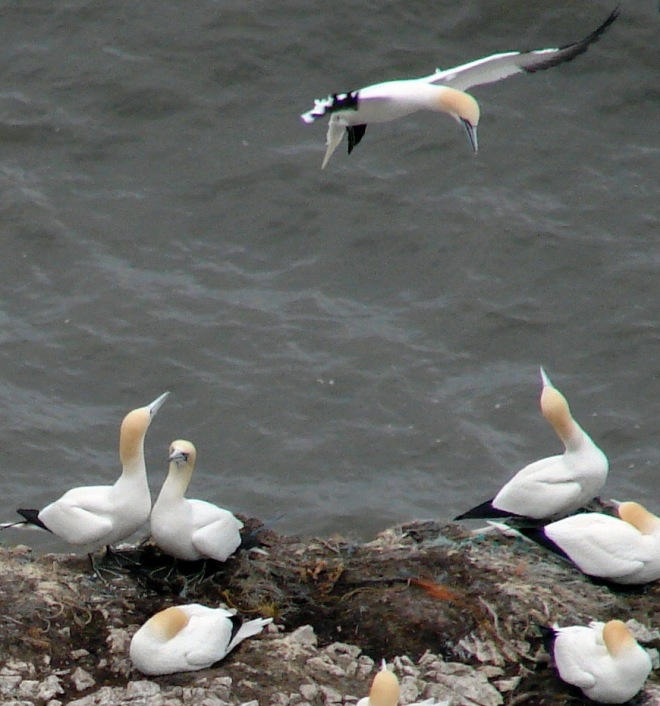
On 10th July 1869, Mr Tasker of Sheffield was found guilty at Bridlington of shooting 28 protected seabirds, and fined 2s6d for each bird killed, plus 9s costs.

On 10th July 1931, Paul Robeson, singer, actor and political activist,  performed at Bridlington Spa Royal Hall on his first trip to Yorkshire,  receiving several encores; when the Royal Hall re-opened after refurbishment in 1933, he returned to Bridlington.

gannets

June 6th

On 6th June 1597, Robert Hewitt and his 6 musicians played for the first time at Londesborough House for Sir Francis and Lady Grissell Clifford, and regularly performed there for a number of years. They played shawms (like an oboe), curtals (like a bassoon), sackbuts (an early trombone) and the virginal (an early spinet). At different times, pipers, harpers, drama companies and a jester were hired.

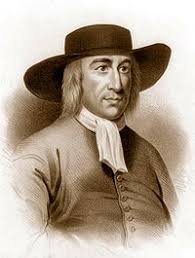
On 6th June 1651, George Fox, Quaker preacher, proclaimed his Quaker beliefs in reply to the sermon at Beverley Minster; the next day he went another church 2 miles away, then to Cranswick, staying with John Hotham (grandson of the late governor of Hull).

On 6th June 1757, the vicar of Hutton Cranswick recorded a fall of snow.

On 6th June 1812, Hull Botanic Gardens were opened; the Band of the Royal Denby Militia played at the opening ceremony (they were based at the fort, as the Napoleonic Wars were still in progress).

On 6th June 1915, Hull residents sheltered under stairs and tables when they received an hour’s warning of the first Zeppelin attack on Hull. There were 11 deaths. Hewetson’s saw mill was destroyed. (other sources says 26 dead, 60 injured)


George Fox

May 31st

On 31st May 1902, Hornsea residents celebrated the end of the Boer War, with an impromptu service held at the Parish Church at 10p.m., followed by a procession around the town, with people singing and waving flags, while others let off fireworks. This may have included Hornsea Brass Band, which existed until WW1.

On 31st May 1905, Teddy Gudmensen, 33, deckhand, was lost overboard from Hull trawler Swan 93 miles NE of Spurn.

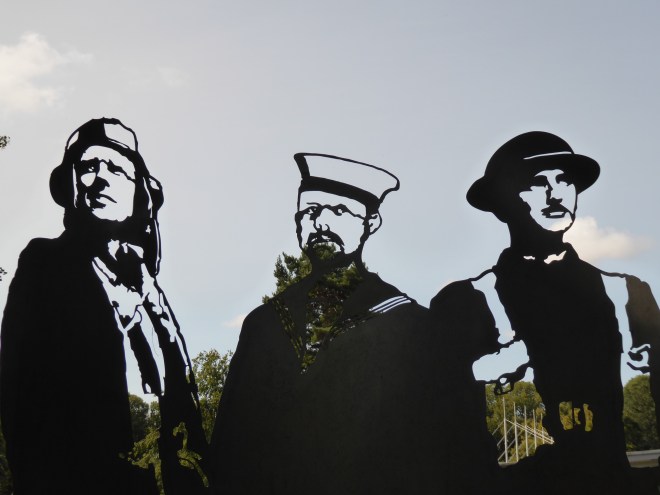
On 31st May 1916, Alfred Dean, stoker 1st class and former Reckitt’s employee, was drowned while serving on HMS Invincible in the Battle of Jutland.

photo shows the Services memorial, East Park, Hull.

Services memorial, E Pk


May 26th

On 26th May 1492, William Gypson, labourer, of Holme on Spalding Moor, claimed sanctuary at the church of St John, Beverley, to avoid (or delay) being pursued for debt.

On 26th May 1711, Leven carpenter Thomas Newton claimed the right to raise funds from his neighbours when his shop was destroyed by a fire which started in Matthew Borman’s blacksmith shop next door.

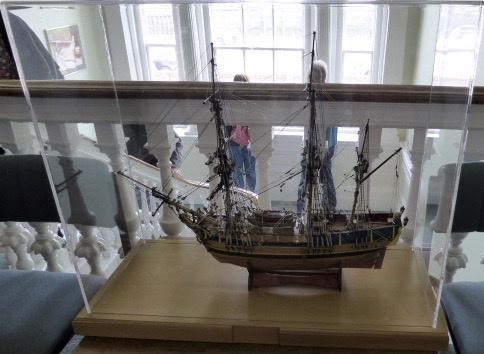
On 26th May 1787, the Royal Navy purchased the collier Bethia, built 3 years earlier at the Blaydes shipyard in High Street, Hull. Renamed the Bounty, it was refitted and equipped for a trip to Tahiti under Captain William Bligh. photo shows a model of the ship in Blaydes House.

On 26th May 1872, David Walker, aged 19,  burgled the house of Henry Robinson in Carnaby and was sentenced to 5 years penal servitude, i.e. imprisonment with hard labour.

On 26th May 1929, Lilian Bilocca was born in Hull. She campaigned for safety improvements to trawlers after the Triple Trawler Disaster. (died 1988)

On 26th May 1946, Mick Ronson was born in Hull. Musician, songwriter, arranger, producer, member of Bowie’s Spiders from Mars. (died 29.4.1993)


Bounty


May 17th

On 17th May 1660, King Charles II’s accession to the throne was announced in Hull; from a gallows in the Marketplace the arms of the Commonwealth and effigies of Oliver Cromwell and Serjeant Bradshaw were hanged.

On 17th May 1881, after its first year of concerts, Hull Philharmonic Society recorded a loss of £15 12s8d.

On 17th May 1943, John Pulford, DFM, 23, was flight engineer on the ‘Dam Busters’ raid which destroyed the Mohne & Edersee dams, Germany. Died when his plane crashed in Sussex 12.2.1944. (b 24.12.1919 Sculcoates)

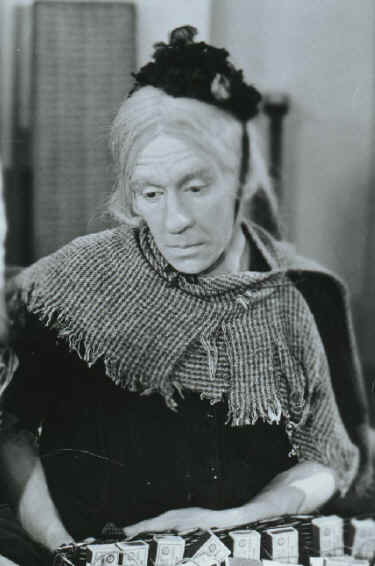
On 17th May 1954, Arthur Lucan died in his dressing room at the Tivoli Theatre, Paragon Street, Hull, during preparations for a new revue; Lucan was famous for playing Old Mother Riley in many films and shows.

Arthur_Lucan

May 13th

On 13th May 1585, the Hull Mayor and aldermen ordered that the town defences be improved by erecting a mud wall on the east side of the north gates to the harbour. (near modern North Bridge)

On 13th May 1595, Richard Laverock and 2 other musicians performed for the Duke of Cumberland’s household at Londesborough, and were paid 10shillings. In his younger days, Laverock had been described as a minstrel, but the Vagabond Act 1572 outlawed wandering minstrels and masterless men, so he renamed himself a musician. photo shows medieval minstrels at Hull Hanse Day

On 13th May 1954, the University of Hull gained full Univeersity status with power to award degrees, after 26 years as a University College.

musicians/pilgrim
Hanse Day 2016